A fresh manicure should still look polished on day five, not tired by day two. If you have ever left the salon with perfect nails only to notice early chips, peeling, or dullness soon after, the issue is often not the manicure itself. Knowing how to maintain manicure longevity usually comes down to what happens in the hours and days after your appointment.
For many clients, long-lasting results are part technique, part product, and part daily habits. The good news is that small changes make a noticeable difference. When your manicure is applied well and cared for properly, it can stay glossy, neat, and refined much longer.
How to maintain manicure longevity starts before you leave the salon
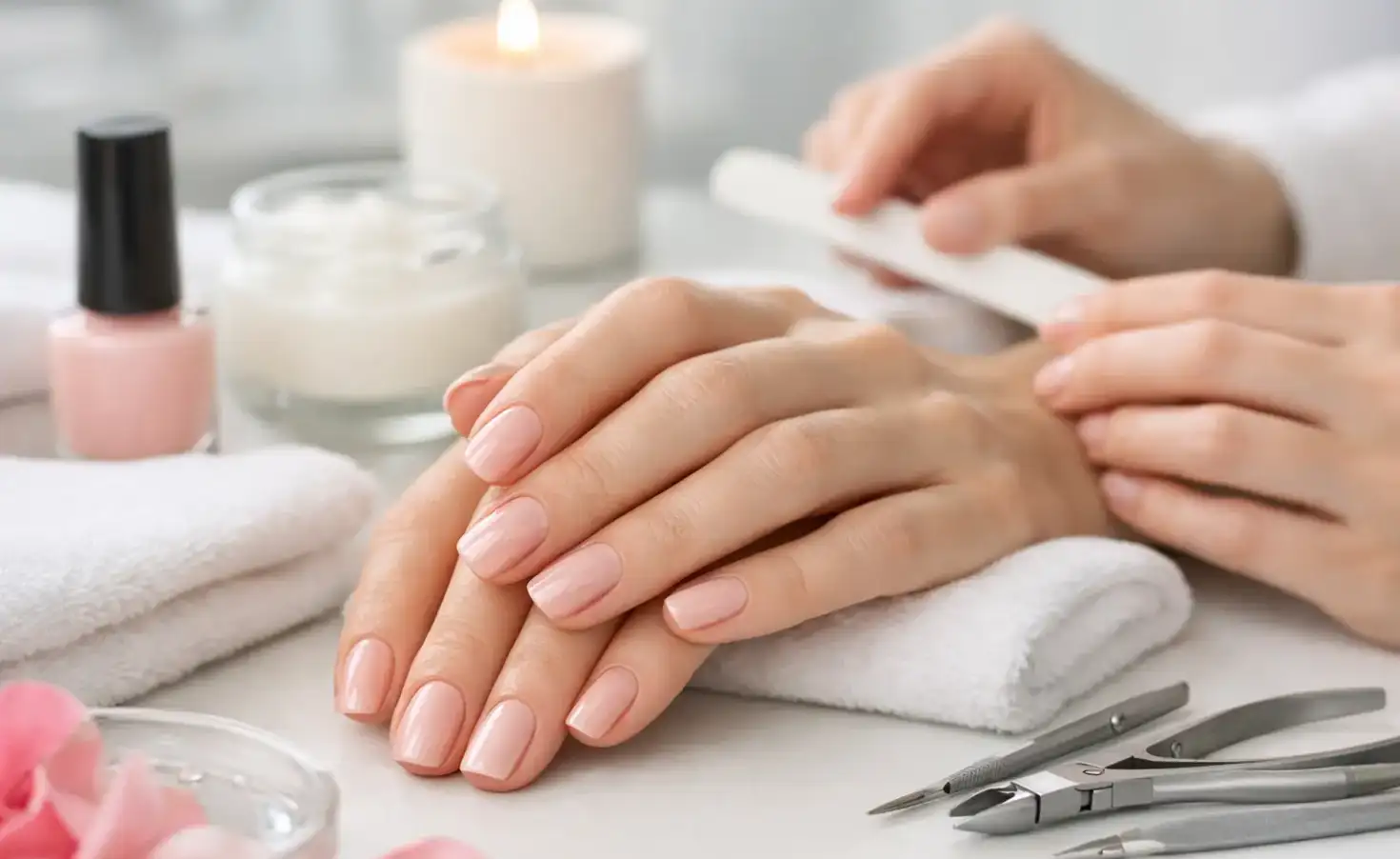
A longer-lasting manicure begins with proper prep. Clean nails, careful shaping, cuticle maintenance, and a smooth nail surface all matter because polish adheres best when the natural nail is free from oil, residue, and excess moisture. If prep is rushed, even a beautiful color can lift early.
The service you choose matters too. Traditional polish, gel, dip powder, and acrylic overlays each wear differently. Traditional polish can look elegant and natural, but it is usually the most vulnerable to chipping from daily hand use. Gel offers longer wear and shine, while dip powder and acrylic can provide more durability for clients who are hard on their hands. There is no single best option for everyone. If you type all day, garden often, wash dishes frequently, or work with your hands, a more durable service may be the better fit.
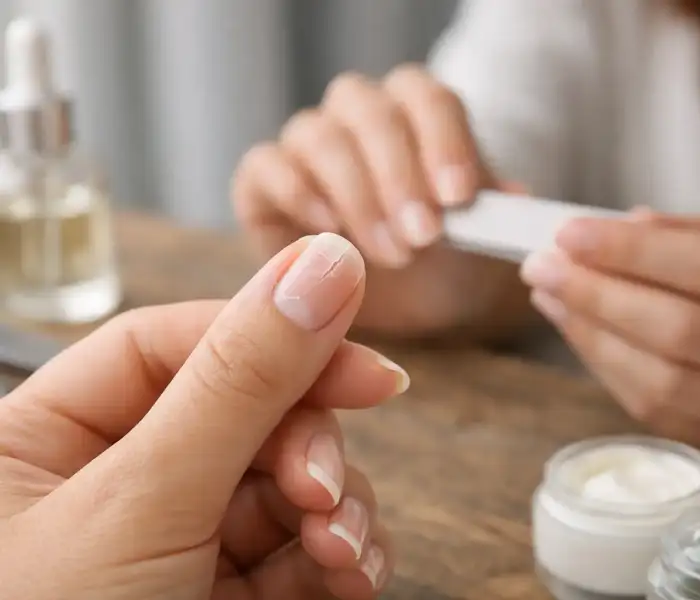
It also helps to be realistic about your natural nails. Soft, flexible nails can bend under polish and lead to cracking or lifting. Dry, brittle nails can split at the edges. In those cases, the goal is not just color application but choosing a manicure approach that supports the condition of your nails.
The first 24 hours matter more than most people think
Even when nails feel dry, they are still vulnerable early on. With traditional polish especially, the surface may set before the deeper layers fully harden. That means opening cans, digging through a handbag, folding laundry, or using your nails as tools can leave dents or small edge damage that turns into visible wear.
Heat and moisture can also affect fresh nails. Long hot showers, steam, and soaking your hands too soon may shorten the life of your manicure. If possible, treat the first day gently. Think of it as giving your nails time to fully settle.
If you choose gel, the curing process gives you more immediate durability, but aftercare still matters. Fresh gel can still be compromised by picking at edges, overly aggressive cleaning, or exposure to harsh chemicals without protection.
Daily habits that protect your manicure
Most manicure damage happens during ordinary routines, not dramatic accidents. Repeated contact with water, cleaning agents, hand sanitizer, and rough surfaces slowly wears down shine and weakens the edges.
One of the best habits is wearing gloves for housework. Washing dishes, wiping counters, laundry, and bathroom cleaning all expose nails to moisture and chemicals. Gloves create a simple barrier that protects both your manicure and your skin.
How you use your hands matters just as much. Try to use the pads of your fingers rather than the tips of your nails when opening packages, pressing buttons, removing lids, or scraping labels. Nails are not tools, even when they look sturdy.
Hand washing is nonnegotiable, but frequent washing can dry out the skin and cuticles around the nail plate. Dryness makes a manicure look older faster. A quality hand cream used throughout the day helps keep the entire nail area looking smooth and maintained.
Moisture is essential, but soaking is not
This is one of the more overlooked parts of manicure care. Nails need hydration, especially around the cuticle area, yet too much water exposure can cause natural nails to swell and contract. Over time, that movement can affect how well polish or enhancements stay attached.
That is why cuticle oil is so valuable. It adds nourishment without the downsides of prolonged soaking. Applying cuticle oil once or twice a day can help maintain flexibility, reduce hangnails, and keep your manicure looking fresh. It also improves the overall appearance of the hands, which makes even a simple manicure feel more refined.
If your nails tend to feel dry, pair cuticle oil with hand cream. Oil supports the nail area, while cream helps seal in moisture across the skin.
How to maintain manicure longevity with the right products
Not every product you use on your hands is manicure-friendly. Acetone, alcohol-heavy formulas, exfoliating acids, and strong cleaning solutions can all affect wear, especially if they touch the nails regularly.
That does not mean you need to avoid useful products completely. It just means using them thoughtfully. If you use hand sanitizer often, balance it with moisturizer. If you clean with stronger products, wear gloves. If you use self-tanner, hair color, or skincare treatments that can stain or weaken nails, be mindful during application.
For traditional polish, a fresh layer of top coat every few days can help extend shine and reinforce the surface. This is especially helpful if you notice the ends of your nails taking the most wear. With gel or dip, resist the urge to file or buff the surface at home unless you have a specific reason and know how to do it properly. Overhandling can reduce the smooth finish.
The manicure type you choose affects longevity
If your main priority is wear time, it helps to choose the right service for your lifestyle rather than just your color preference.
Traditional polish is ideal for clients who enjoy changing color often or want a classic, lower-commitment option. It can look beautiful, but it usually requires the most careful aftercare.
Gel manicures are often the best balance of elegance and durability. They hold shine well and generally resist chips better than standard polish. For many busy professionals, parents, and clients with full schedules, gel offers dependable wear without a heavy feel.
Dip powder can be a strong option for those who want more structure and longer-lasting color. Acrylic may suit clients who prefer length or need extra reinforcement. The trade-off is that stronger enhancement services require proper maintenance and professional removal to keep the natural nail in good condition.
If you are unsure which service fits your routine, a skilled salon team can guide you based on your nail health, desired look, and how much wear your hands see each week.
Small signs of damage should not be ignored
A tiny chip or lifted corner may seem harmless, but it rarely stays small for long. Once the edge of a manicure is compromised, hair, fabric, and everyday friction can catch it and make the problem worse.
If you notice lifting, avoid peeling it back. Picking at gel, dip, or acrylic can remove layers of the natural nail along with the product. That often creates more damage than the original flaw.
For traditional polish, a minor chip may be manageable with a careful touch-up and top coat. For gel or enhancement services, it is usually better to have the nail repaired professionally. This protects the appearance of the manicure and the health of the nail underneath.
Healthy nails hold manicures better
If your manicures never seem to last, the issue may be less about polish and more about nail condition. Nails that peel, split, or bend easily often struggle to support any coating for long.
Regular nail care helps. Gentle shaping, professional cuticle care, proper removal, and breaks from aggressive at-home picking all support better wear. So does consistency. Clients who keep up with scheduled appointments often see better long-term results than those who wait until every nail is damaged before returning.
This is one reason many clients prefer an established salon relationship. Consistent care allows your nail technician to notice patterns, recommend the right service, and make adjustments over time. At an appointment-led salon like Sha Nail Salon, that kind of continuity helps clients enjoy not just beautiful nails, but more dependable results.
When it is time for a refresh
Even the best manicure has a natural limit. Growth at the cuticle, surface wear, and changes in your nail condition eventually call for maintenance. Trying to stretch a manicure too long can lead to breakage, uneven wear, and more complicated repairs.
A good rule is to refresh your manicure before it looks worn out. That keeps your hands looking polished and often preserves the health of the natural nail better than waiting until there is visible lifting or damage.
Beautiful nails are never just about the polish color. They reflect how well the manicure was applied, how thoughtfully it was maintained, and whether the service matched your real life. A little care at home goes a long way, and the payoff is simple – your manicure keeps the clean, finished look you wanted when you first sat down in the chair.