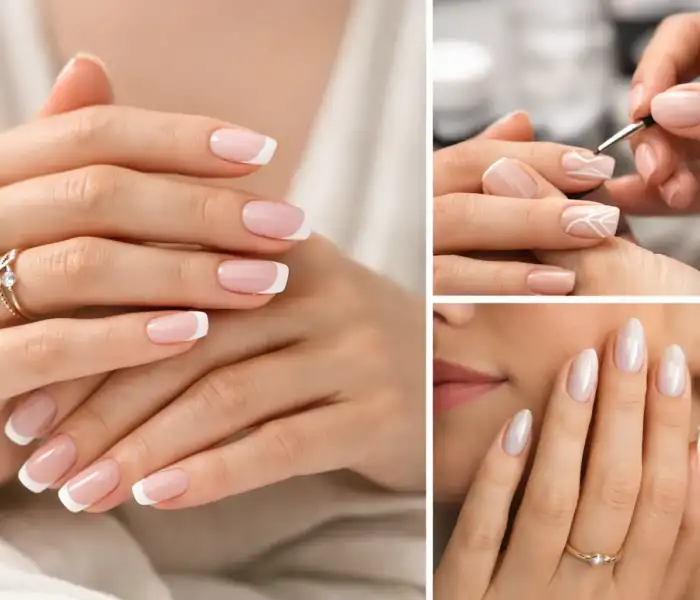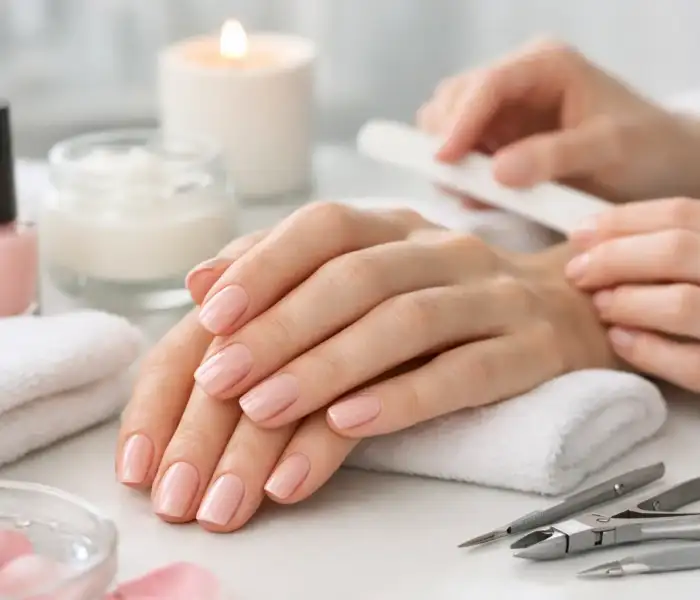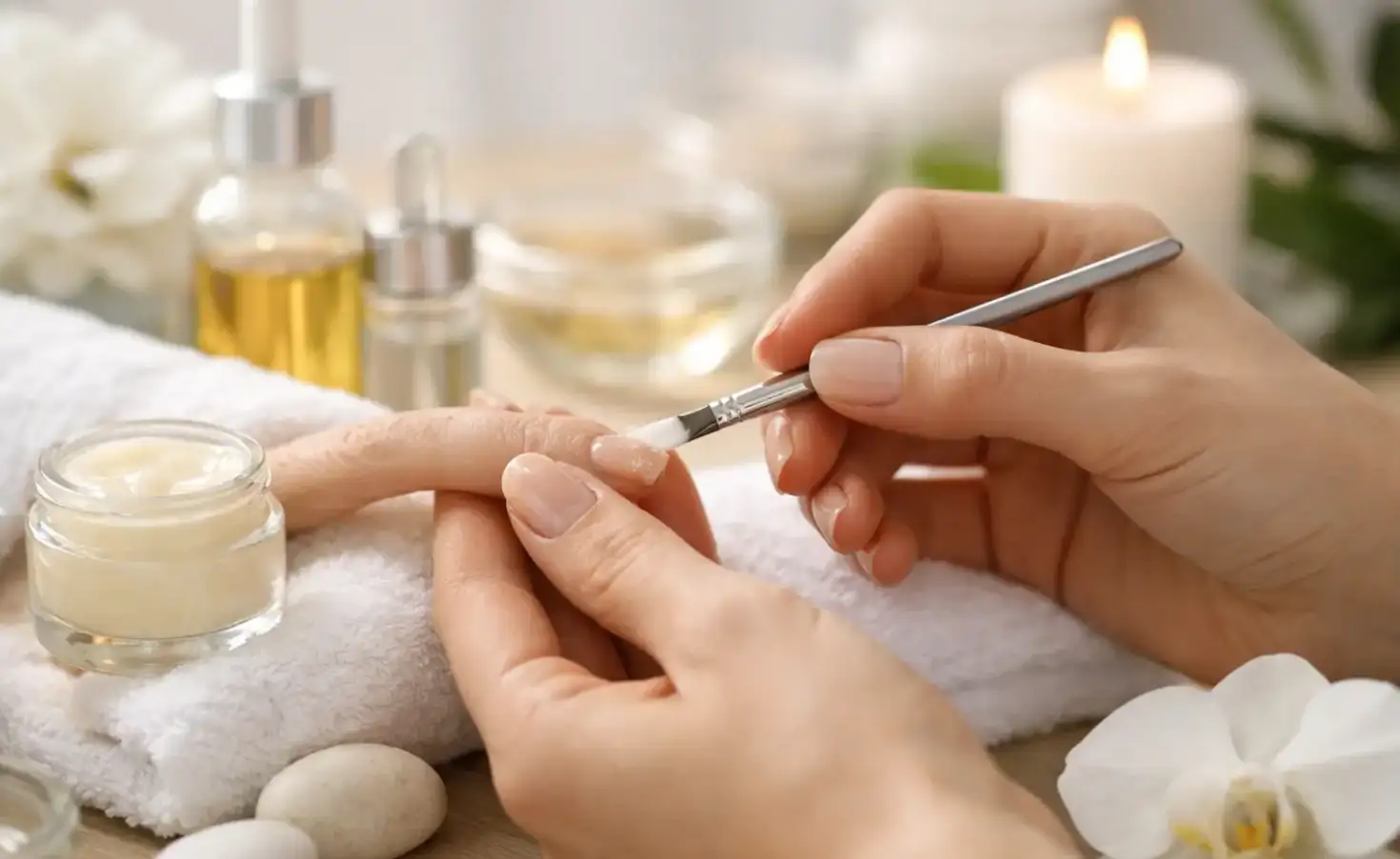
When your nails feel thin, peel at the edges, or bend more than they used to, the wrong salon service can make a frustrating problem worse. The right manicure for damaged nails does the opposite. It protects what is already fragile, improves how your hands look now, and gives your natural nails a better chance to recover.
Damage can show up in different ways. Some nails split vertically. Others peel in layers, break near the corners, or feel sore after gel removal, acrylic wear, or repeated exposure to water and cleaning products. Even something as simple as picking off polish can leave the nail plate rough and weakened. That is why damaged nails need a different approach than a standard cosmetic manicure.
What a manicure for damaged nails should do
A healthy-looking finish matters, but appearance is only part of the goal. A manicure for damaged nails should reduce stress on the nail plate, avoid harsh prep methods, and support gradual regrowth. In practice, that means gentle shaping, careful cuticle work, light buffing if any, and product choices that do not require aggressive filing or removal.
This is also where technique matters more than trends. A beautiful result is still possible, but not every popular service is a good fit for nails that are already compromised. Strength and polish are helpful. Thickness, pressure, and repeated abrasion are not always helpful.
Common reasons nails become damaged
Most damaged nails are not caused by one single event. More often, they are the result of repeated stress over time. Frequent gel or acrylic removal, over-filing, peeling product off at home, and constant hand washing can all contribute. So can dry indoor air, seasonal changes, and exposure to household cleaners.
For some clients, nail damage is mostly cosmetic and temporary. For others, it reflects a longer cycle of thinning and breakage that needs several weeks of careful maintenance. If nails are painful, discolored, or lifting from the nail bed, that moves beyond routine salon care and may require medical evaluation before any manicure service.
Signs your nails need a gentler service
If your nails feel tender when pressure is applied, look visibly peeled, or cannot grow past the fingertip without breaking, they need protection more than they need enhancement. White patches, surface roughness, and splitting after product removal are also strong signs that a more conservative manicure is the better choice.
That does not mean you have to stop caring for your hands. It means choosing a service that respects the condition of your nails today, not the result you wish they could tolerate.
The best manicure options for damaged nails
In most cases, the best option is a natural nail manicure focused on conditioning, shaping, and light protection. This kind of service keeps the nail neat and polished without adding unnecessary stress. A strengthening base coat or traditional polish can help shield the surface while the nail grows out.
Some clients do well with a very light structured overlay, while others need a complete break from long-wear coatings. It depends on how damaged the nails are, how they were previously treated, and how committed the client is to regular maintenance and proper removal.
Traditional polish is often underrated here. It is easy to refresh, relatively gentle to remove, and allows the nail to avoid the repeated filing that can come with some enhancement services. For someone trying to restore flexibility and reduce peeling, that can be a smart trade-off.
When gel may still work
Gel is not automatically off the table, but it has to be approached carefully. If the nails are mildly weakened rather than severely thin, a gentle gel manicure applied and removed properly may still be appropriate. The benefit is longer wear and less daily chipping, which can prevent picking. The downside is that damaged nails do not tolerate rough removal well.
This is where professional technique makes a real difference. If gel is chosen, it should be part of a plan that prioritizes safe removal and consistent follow-up, not repeated back-to-back wear with no recovery period.
When to pause acrylics or dip powder
Acrylic and dip powder can create a polished, durable look, but they are not always the best starting point for already damaged nails. If the natural nail is very thin, brittle, or peeling, the prep and removal process may add more stress than benefit. In some cases, clients choose these services because they want to hide damage. The problem is that covering weakness is not the same as correcting it.
There are times when a protective overlay can help prevent breakage, but that decision should be based on nail condition, not convenience alone. A refined salon will be honest about that, even if the gentler service is less dramatic.
What to avoid during a manicure for damaged nails
Harsh filing is one of the biggest concerns. Nails that are already compromised do not need heavy abrasion to look neat. Cutting cuticles too aggressively is another mistake, especially when dryness and irritation are already present.
It is also wise to avoid very long shapes while your nails recover. Extra length puts more leverage on a weak nail plate, which often leads to corner breaks or splitting along stress points. Shorter, softly rounded shapes are usually easier to maintain and less likely to catch.
Quick fixes at home can create problems too. Nail glue, repeated buffing, metal tools used too forcefully, and acetone exposure without follow-up hydration can all make recovery slower.
Why salon hygiene matters even more for damaged nails
When nails are thin or the surrounding skin is dry and vulnerable, cleanliness is not just a preference. It is part of good care. Proper sanitation, clean implements, and a calm, controlled service help reduce unnecessary irritation and give clients peace of mind.
That matters especially for anyone returning to the salon after a bad experience. If your nails have been over-filed or your skin has been nicked before, you are not only looking for beauty results. You are looking for a salon environment that feels careful, consistent, and professional.
In an upscale service setting, that level of attention should feel standard. The consultation should be thoughtful. The prep should feel gentle. And the final result should be polished without feeling heavy or damaging.
How to help damaged nails recover between appointments
Salon care is only part of the picture. What you do between appointments has a major impact on how quickly nails improve. Cuticle oil helps keep the nail and surrounding skin conditioned, especially after hand washing. Hand cream matters too, particularly during colder months or if you use sanitizer often.
Try to avoid using your nails as tools for opening packages or scratching labels. Wear gloves for cleaning and dishwashing when possible. And if polish starts to lift, resist the urge to peel it. That one habit alone can undo weeks of progress.
Recovery also takes patience. Nails grow slowly, and the damaged portion has to move out as new growth comes in. You may notice improvement in a few weeks, but full recovery often takes longer, especially if the damage extends deep into the nail plate.
What to ask for at your next appointment
If your nails are damaged, a short conversation before service is worth it. Let your nail technician know whether the damage came from peeling polish, enhancement wear, dryness, breakage, or sensitivity after removal. Ask for the gentlest option that will still give your hands a clean, finished look.
You can also ask for minimal buffing, conservative cuticle work, and a plan for maintenance over the next few visits. That kind of approach is often more effective than chasing an immediate perfect result. Healthy nails usually respond better to consistency than to overcorrection.
For clients in Town and Country and nearby communities, this is one area where choosing an established salon matters. Experience shows in the small decisions – how much prep is really necessary, which product is best left off, and when the right answer is simply to protect the natural nail and let it heal.
Beautiful nails do not have to come at the cost of nail health. When damaged nails are treated with patience, skill, and a little restraint, they usually reward you with something better than a quick cosmetic fix: real improvement you can feel every time you look at your hands.