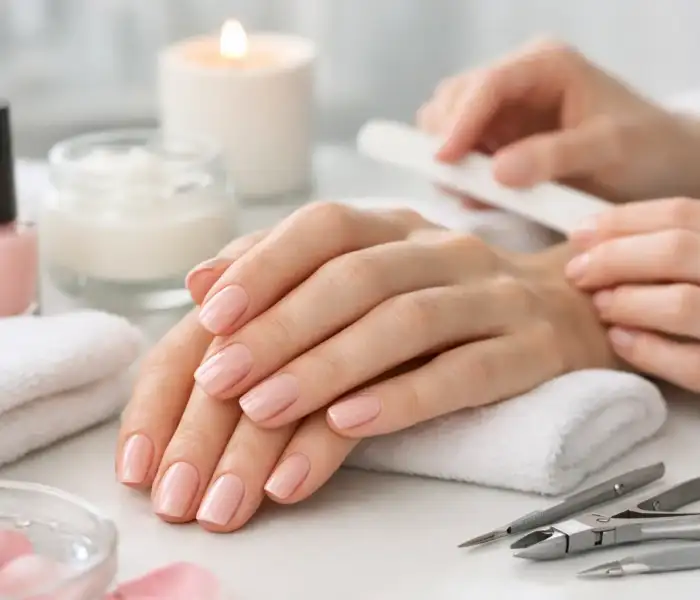
Freshly polished nails can look beautifully understated without gel, but regular polish and natural nails need a slightly different kind of attention. Knowing how to maintain gel free nails helps you protect their shape, keep color looking intentional, and avoid the peeling, splitting, and dryness that can make a manicure feel short-lived.
Gel-free can mean bare, buffed natural nails or nails finished with traditional polish. It can also describe the period after removing gel services, when nails may need extra hydration and a gentler routine. In each case, the goal is the same: keep the nail plate protected without overworking it.
How to Maintain Gel Free Nails at Home
The best maintenance routine is simple enough to repeat. Your nails are exposed to water, household cleaners, hand sanitizer, changing weather, and daily tasks such as typing or opening packages. Small habits make the greatest difference between appointments.
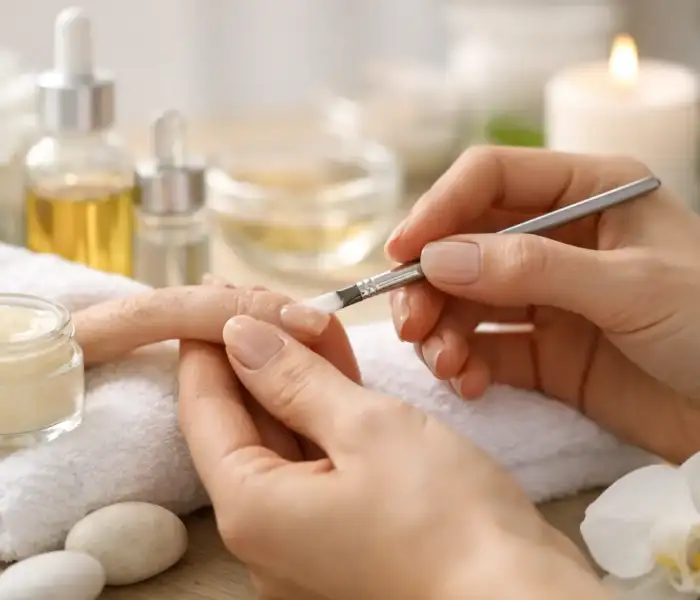
Start by treating your cuticles as part of nail care, not as something to trim aggressively at home. Apply cuticle oil once or twice a day, especially before bed. Massage a small amount into the cuticle area and across the nail plate. This supports flexibility, which matters because dry nails are more likely to crack or peel at the edges.
Hand cream matters, too. Keep one by the sink, in your handbag, or at your desk so it is easy to use after washing your hands. A rich cream helps counter the drying effect of frequent washing and sanitizer. During colder Missouri months, this step can be particularly helpful for preventing rough cuticles and brittle nails.
If your nails are polished, add a fresh layer of clear top coat every few days. This can refresh shine and provide a little extra protection at the free edge, where polish often begins to wear first. Use a light hand. Thick layers can take too long to dry and may create a finish that chips more easily.
Protect Your Manicure From Daily Wear
A beautiful manicure is not meant to limit your life, but a few adjustments can prevent unnecessary damage. Wear gloves when washing dishes, cleaning bathrooms, gardening, or handling harsh cleaning products. Long exposure to water can soften the nail plate, while cleaners can dry both skin and polish.
Try not to use your nails as tools. Opening a soda can, scraping a label, prying open a package, or picking at a surface puts pressure directly on the nail tip. Even strong natural nails can split when they are repeatedly used this way. Reach for a proper tool when possible, and use the pads of your fingers rather than your nail edges for small tasks.
Length also affects how easily nails hold up. Shorter or medium-length nails are often the most practical choice for clients who type frequently, work with children, exercise regularly, or use their hands throughout the day. There is nothing less polished about a shorter shape. A neatly maintained squoval, oval, or soft almond shape can look refined while being easier to live with.
File Carefully Instead of Waiting for a Break
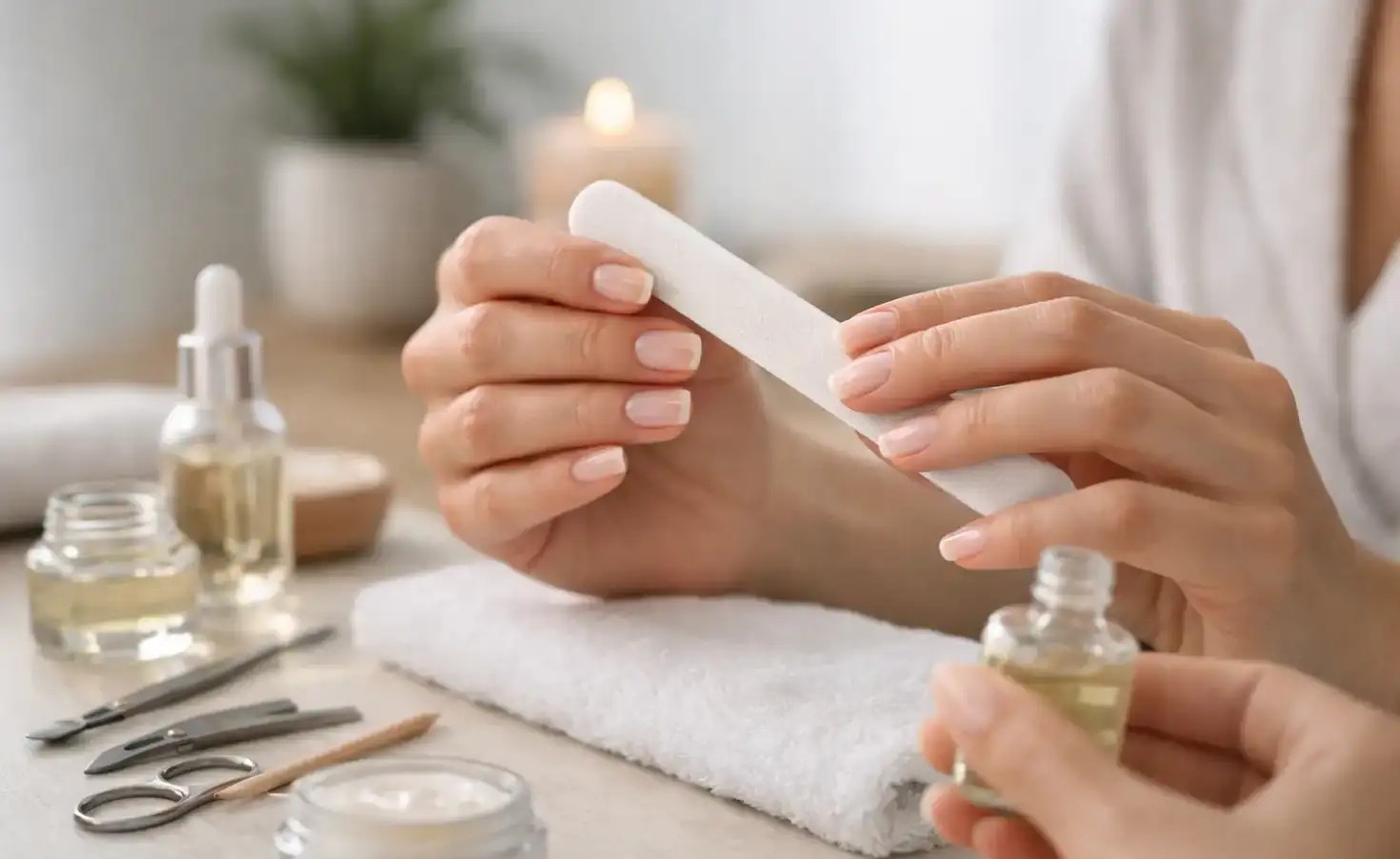
When a corner snags, it is tempting to pull at it or clip the nail quickly. A gentle file is usually the better choice. Use a fine-grit file and smooth the edge in one controlled direction rather than sawing back and forth aggressively. This reduces stress along the edge and helps prevent a small snag from becoming a larger tear.
Keep your shape balanced as you file. If one side is filed much more than the other, the nail can look uneven and may be more likely to catch. For a small chip in polished nails, lightly smooth the edge, apply a thin layer of matching polish if needed, and finish with top coat. This will not replace a full manicure, but it can help your nails look presentable until your next visit.
Avoid buffing your nails too often. A soft buffer can create a lovely natural sheen, but frequent or heavy buffing thins the surface of the nail. If you enjoy a bare look, a professional manicure with careful shaping, cuticle care, and light buffing will give you a clean finish without excessive abrasion.
Choose Products That Support, Not Stress, Nails
Traditional polish gives you flexibility in color and removal, but removal should still be handled gently. Choose a quality remover, use a cotton pad held against the nail for a few seconds, and wipe away polish without hard scrubbing. Dark shades, reds, and glitter formulas may require more patience. Rushing the process can leave nails and surrounding skin dry.
If your nails feel weak after previous gel, acrylic, or dip powder wear, do not assume you need a harsh strengthener every day. Some hardening products can make nails feel rigid, which may lead to snapping for people whose nails are already dry. Hydration, reasonable length, and protection from repeated water exposure are often a better foundation.
A nourishing base coat can be a good choice under regular polish, particularly if you notice mild staining or uneven texture. It creates a barrier between pigment and the nail plate while helping color apply more evenly. If your nails are peeling significantly, painful, discolored, or lifting from the nail bed, pause cosmetic treatments and consult a medical professional rather than trying to cover the issue with polish.
Give Your Nails a Gentle Reset When Needed
You do not have to take long breaks from every manicure to have healthy-looking nails. For some people, regular polish with careful removal works well continuously. Others benefit from a few days without color after several manicures, especially if their nails feel dry or they have been picking at polish.
A reset does not need to be complicated. Keep nails neatly filed, apply cuticle oil daily, use hand cream after washing, and wear gloves for wet work. If you prefer the finished look of a salon manicure, a clean bare-nail manicure can still provide the shaping and detail that makes hands look cared for.
Know When a Professional Maintenance Visit Helps
At-home care preserves your manicure, but professional maintenance brings back the details that are difficult to recreate on your own: consistent shaping, polished cuticle work, even color application, and a relaxing moment set aside for yourself. Regular appointments can also help you avoid the cycle of over-filing, picking, and last-minute repairs.
The ideal schedule depends on your nail growth, lifestyle, and color choice. Many clients enjoy a traditional manicure every one to two weeks. A pale neutral shade may be more forgiving as it grows out, while a deep or bright color may look best with more frequent refreshes. If you keep nails bare, a monthly manicure may be enough to maintain shape and cuticle comfort.
At Sha Nail Salon, a thoughtful manicure is about more than color. Clean tools, careful preparation, and consistent technique help create a finish that looks elegant from the salon chair through the days that follow.
A Polished Look Starts With Consistency
Healthy-looking gel-free nails rarely come from one dramatic product or an occasional repair. They come from moisturized cuticles, sensible nail length, gentle filing, and protection during the tasks that create the most wear. Give your hands that steady level of care, and your next manicure will have an even better foundation to shine.