When your heels are catching on sheets, feeling rough in sandals, or starting to look white and split around the edges, a pedicure for dry cracked heels is more than a cosmetic service. It is often the difference between feet that feel neglected and feet that feel comfortable, polished, and cared for again.
Dry, cracked heels are common, but that does not mean they should be ignored. For many clients, the issue starts quietly with dryness and callus buildup, then becomes harder to manage at home. Once the skin thickens and begins to crack, aggressive scrubbing or random foot products can sometimes make the problem worse instead of better.
Why heels become dry and cracked
Heels naturally handle pressure every day, so the skin there tends to be thicker than on other parts of the body. Add dry weather, open-back shoes, long hours standing, or simple lack of moisture, and that thick skin can become hard and brittle. Over time, it loses flexibility. That is when small splits can deepen into visible cracks.
There is usually more than one cause. Some people are prone to dryness year-round. Others notice it seasonally, especially in winter or after sandal season. Lifestyle matters too. Frequent exposure to hot water, harsh soaps, and friction from footwear can all contribute.
For clients who want feet to look refined and feel healthy, the goal is not just to remove rough skin. The goal is to restore softness without overdoing exfoliation, and to do it in a clean setting where your comfort comes first.
What a pedicure for dry cracked heels should actually do
A good pedicure for dry cracked heels should leave your feet smoother, better hydrated, and more comfortable to walk on. It should also improve the appearance of the heel area in a way that looks natural and maintained, not scraped raw.
That balance matters. If too little callus is addressed, the heels may still feel rough soon after the service. If too much is removed, the skin can become sensitive and may build callus back even faster as a protective response. Professional care works best when it is thoughtful, gradual, and paired with moisture.
In an upscale salon setting, that means beginning with proper softening of the skin, carefully reducing hardened buildup, and finishing with conditioning products that help support the skin barrier. Clean tools, strong sanitation practices, and an experienced touch are part of the service, not extras.
What to expect during the service
The experience should feel relaxing, but it should also be purposeful. For dry, cracked heels, the service typically starts with soaking or softening the feet so the skin is easier to work with. This helps loosen surface dryness and prepares the heels for more effective exfoliation.
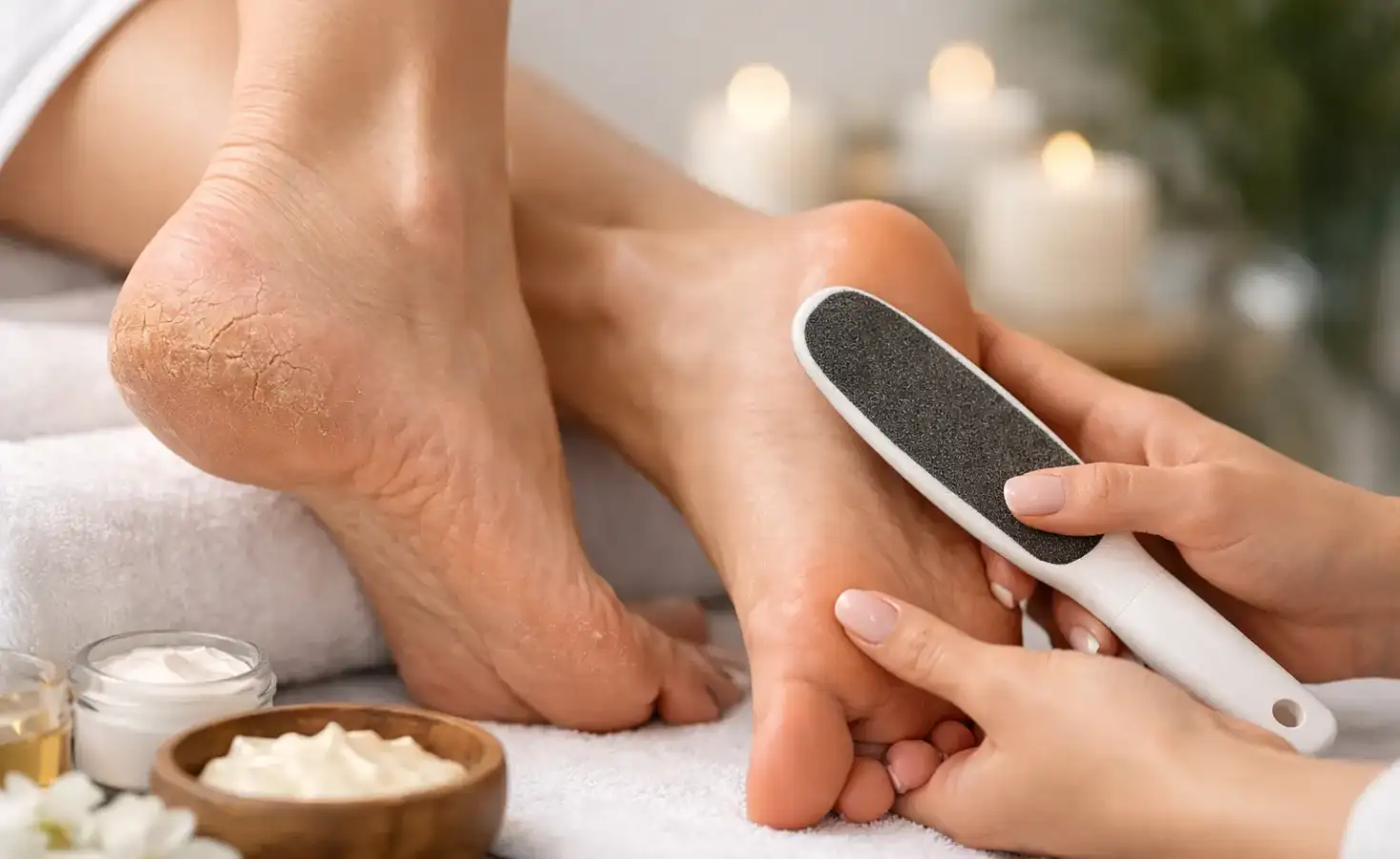
From there, the roughest buildup is carefully reduced. Depending on the condition of the skin, this may involve foot files or other professional tools used with restraint and precision. The goal is to smooth the heel, not thin it excessively. A skilled technician pays attention to texture, pressure, and comfort throughout the process.
Exfoliation is only one part of the result. Hydration is what helps the improvement last. Rich creams, heel-focused moisturizers, or conditioning treatments help replenish what dry skin lacks. Massage also plays a role. Beyond relaxation, it helps distribute product and gives tired feet a more cared-for finish.
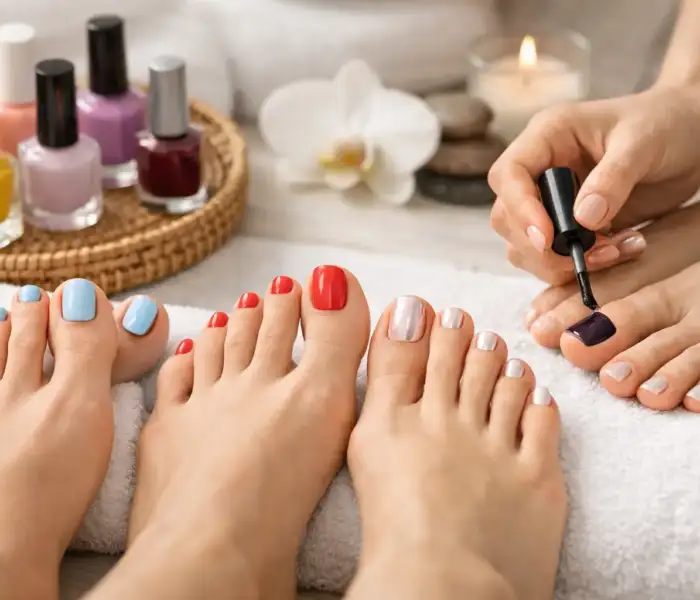
If polish is part of the appointment, it becomes the finishing touch rather than the main event. Even without color, many clients leave feeling noticeably more put together once the feet feel smooth and clean.
Why professional care often works better than home fixes
There is nothing wrong with basic home maintenance. In fact, it is essential between appointments. But when heels are deeply dry or visibly cracked, home care can become inconsistent or too aggressive. People often switch between heavy scrubbing, peeling products, and thick creams without a clear plan.
Professional pedicure care offers a more measured approach. The skin is assessed in its current condition, the rough areas are addressed more evenly, and the service is done in a hygienic environment designed for personal care. That combination is especially valuable if you want results that look polished instead of patchy.
Another benefit is consistency. A single service can improve the look and feel of dry heels, but recurring care usually gives the best long-term outcome. Regular maintenance helps prevent severe buildup, which means the skin can stay smoother with less intensive work each time.
When cracked heels need extra caution
Not every case of dry heels should be treated as a routine cosmetic concern. If the cracks are deep, painful, bleeding, or showing signs of irritation, a standard pedicure may not be the first step. In those cases, extra caution is appropriate.
It also depends on your health history. Clients with diabetes, circulation concerns, or certain skin conditions should be especially careful about foot care and may need guidance from a medical professional before booking a service. A reputable salon will always prioritize safety and cleanliness over trying to force a treatment that is not appropriate.
That is one reason trust matters so much. When you choose a salon for foot care, you are not just choosing polish colors or chair comfort. You are choosing standards, sanitation, and a level of attention that supports both beauty and well-being.
How to keep heels soft after your pedicure
The best results come from what happens after the appointment as much as during it. Dry heels respond well to routine, and the routine does not have to be complicated. What matters is consistency.
Apply a rich foot cream regularly, especially at night when the skin has time to absorb it. If your heels tend to become rough quickly, daily use is often more effective than occasional heavy treatments. Wearing soft socks after moisturizing can help the product stay in place and support better hydration.
Be selective about exfoliation at home. Gentle maintenance is helpful, but over-filing can lead to sensitivity and rebound dryness. Warm showers are fine, but very hot water and drying soaps can work against your efforts. Footwear matters too. Supportive shoes and less friction around the heel can make a visible difference over time.
For many people, a professional pedicure every few weeks keeps the problem manageable. The right timing depends on how quickly callus forms, your footwear habits, and the season. Summer sandals, for example, often mean more exposure and dryness than closed shoes in cooler months.
Choosing the right salon for dry heel care
If you are booking a pedicure for dry cracked heels, the salon experience should feel clean, calm, and professional from the moment you arrive. This is not the service to choose based on speed alone. Technique and hygiene matter.
Look for a salon that values sanitation, uses properly cleaned tools, and creates an environment where you can relax without questioning the standards behind the service. You also want technicians who understand that rough heels are not unusual and do not need harsh treatment to improve.
At a salon like Sha Nail Salon, the difference is in the balance of aesthetics and care. Clients want feet that look polished, but they also want to feel comfortable, respected, and confident in the cleanliness of the service. That refined approach is what turns a basic pedicure into a treatment worth repeating.
A polished look starts with comfort
Beautiful feet are not only about polish or presentation. They start with skin that feels smooth, healthy, and comfortable enough to forget about. When dry, cracked heels are treated with care, the result is not just a better-looking foot. It is the quiet confidence that comes from knowing every detail has been taken care of.
If your heels have been rough for a while, the fix does not have to be dramatic. Often, it is a matter of consistent professional care, the right moisture, and a salon experience built on cleanliness and trust. Sometimes the most noticeable kind of beauty is simply feeling comfortable in your own skin again.