A fresh manicure should feel polished, not frustrating. If your nails keep catching on fabric, peeling at the tips, or breaking just when they start to grow, it is natural to ask: why do nails split?
In many cases, splitting is less about one single problem and more about repeated stress. Daily hand washing, dry air, harsh cleaning products, frequent polish removal, and even the way you file can all weaken the nail over time. The good news is that split nails are often manageable once you understand what is causing them.
Why do nails split in the first place?
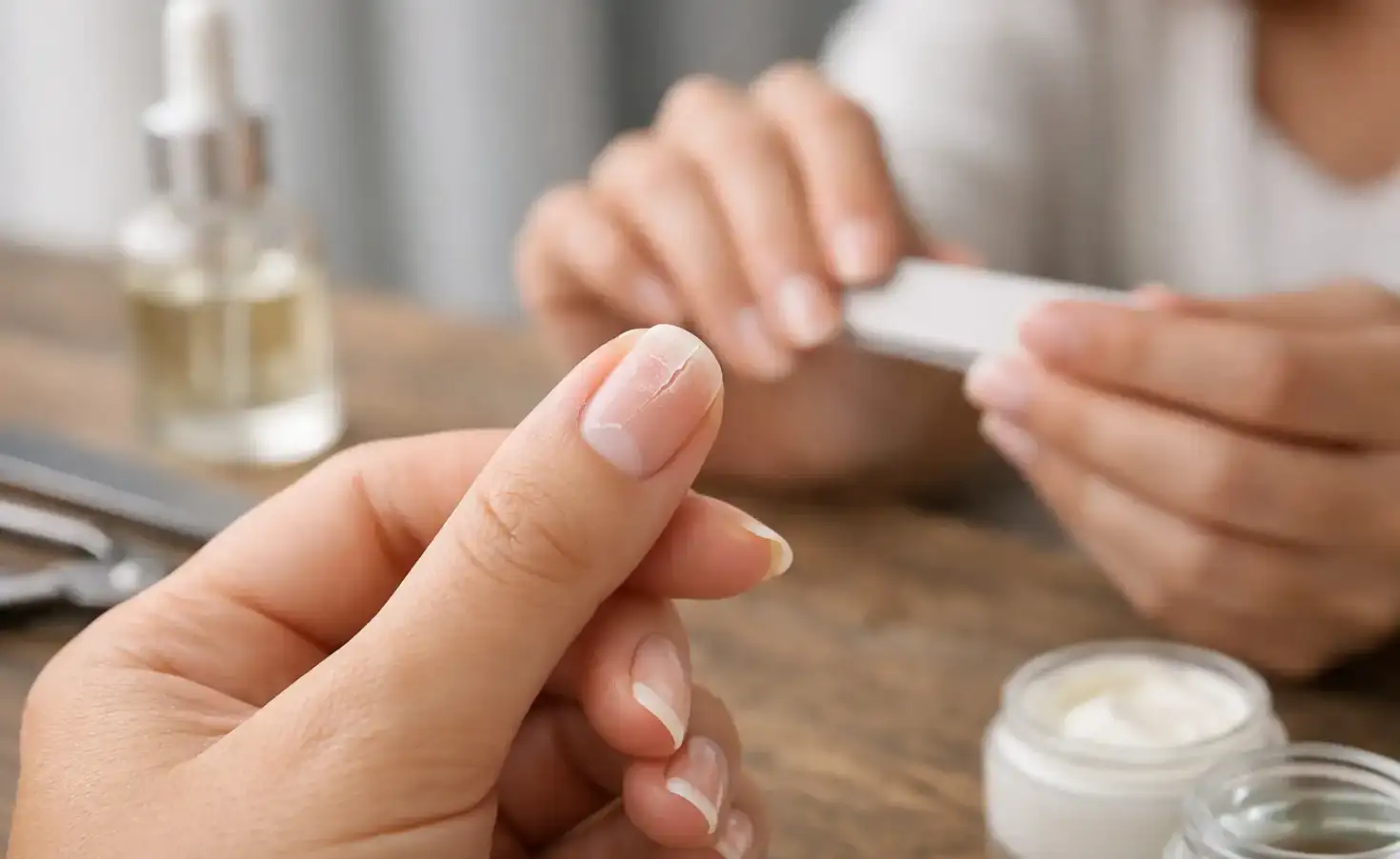
Nails are made of layers of keratin. When those layers dry out, become damaged, or lose flexibility, they can separate. That separation often shows up as peeling at the free edge, a vertical crack, or a nail that keeps breaking in the same spot.
For some people, split nails happen seasonally. Cold weather, indoor heat, and lower humidity can leave both skin and nails noticeably drier. For others, the issue comes from habits that seem harmless, like using nails to open packaging or washing hands dozens of times a day without following with cuticle oil or hand cream.
Age can also play a role. Nails often become more brittle over time, which means the same level of wear that once caused no trouble may suddenly lead to peeling or cracking.
The most common causes of split nails
One of the biggest causes is water exposure. That sounds backward at first, but nails repeatedly swell when wet and contract as they dry. Over time, that expansion and contraction can weaken the layers of the nail plate. If you wash dishes without gloves, spend a lot of time cleaning, or sanitize your hands constantly, your nails may lose flexibility and start to split.
Dryness is another major factor. Acetone removers, frequent polish changes, cold weather, and low humidity can all strip natural oils from the nail and surrounding skin. When nails are too dry, they become less able to bend slightly under pressure. Instead of flexing, they crack.
Mechanical damage is also common. Aggressive buffing, sawing back and forth with a nail file, picking off gel or dip product, or accidentally hitting the edge of the nail against hard surfaces can create weak points. Even small damage can grow into a visible split.
Sometimes nail enhancements play a role, but it depends on the condition of the natural nail and how the product is applied and removed. Professional application and proper removal matter. The real issue is often not the enhancement itself, but over-filing, improper removal, or wearing product too long without maintenance.
Nutrition and overall health can matter too, although they are not the first explanation in every case. If nails are suddenly changing, splitting severely, or looking unusual in other ways, it may be worth discussing with a healthcare provider. Brittle nails can sometimes be associated with underlying health concerns, but more often they reflect dryness, irritation, or repeated wear.
Signs your nails are dealing with dryness, not damage
Dry nails usually look thin at the tips, peel in layers, and feel rough or papery. You may also notice dry cuticles, small snags around the nail edge, and a dull appearance. These nails often improve with moisture, gentler filing, and a break from harsh products.
Damaged nails can look slightly different. They may have one recurring split in the same place, visible grooves from trauma, or weakness after picking, biting, or improper product removal. In those cases, moisture still helps, but the nail often also needs time to grow out the damaged area.
This is one reason professional nail care can make a difference. A trained technician can often spot whether the nail needs strengthening, reshaping, protective product, or simply a gentler maintenance routine.
Why do nails split more after polish, gel, or dip?
Many clients assume polish or enhancements automatically ruined the nail, but that is not always accurate. Often, the trouble starts during removal or between appointments.
Peeling off gel or dip takes layers of the natural nail with it. Over time, that leaves the nail thinner and more likely to split. Over-buffing before application can do the same thing. If nails are already dry, acetone-heavy removal can make the brittleness more noticeable for a few days afterward.
That does not mean you have to avoid nail services altogether. It means the condition of the natural nail should guide the service. Some clients do well with regular polish and focused cuticle care. Others benefit from a structured manicure schedule with professional shaping and maintenance that protects weak edges while the nail grows stronger.
Habits that quietly make splitting worse
A few everyday habits can keep nails in a cycle of damage. Using nails as tools is a big one. Opening cans, scraping labels, pressing hard on touchscreens, or digging into keychains puts pressure right where splits tend to start.
Another common issue is filing after the nail has already snagged or cracked. If the edge is jagged, it is tempting to file quickly in any direction just to smooth it down. But rough filing can create more separation. A gentle, consistent shape is usually better than repeatedly chasing tiny breaks.
Leaving nails too long for your lifestyle can also work against you. If you type constantly, handle children, cook often, or work with your hands, a slightly shorter length may stay stronger and look neater between appointments.
How to help split nails recover
The first step is reducing the stress that caused the splitting. Wear gloves for cleaning and dishwashing. Apply cuticle oil daily, especially after washing your hands. Follow with a quality hand cream to help seal in moisture.
Keep nails at a manageable length while they recover. Shorter nails are less likely to bend or catch, which gives weakened areas a better chance to grow out. Shape them gently with a fine file rather than clipping too aggressively if the edges are already peeling.
If you wear polish, choose removers carefully and avoid constant changes. If you wear gel, dip, or acrylic, have product removed properly rather than peeling or scraping it off at home. Recovery usually takes patience because the damaged portion has to grow out, and fingernails do not change overnight.
When professional care helps most
If your nails split occasionally, home care may be enough. If they split repeatedly, feel unusually thin, or seem worse after every manicure, it helps to get a closer look. Professional nail care should support nail health, not just appearance.
An experienced salon can adjust shaping, recommend an appropriate service, and avoid techniques that add unnecessary stress to already fragile nails. Clean tools, careful prep, and thoughtful product removal matter more than many people realize. At a salon like Sha Nail Salon, that attention to hygiene and consistency is part of what helps clients maintain nails that look refined and feel healthier over time.
When split nails may need medical attention
Most split nails come down to dryness, wear, or damage. Still, there are times when it is smart to look beyond cosmetic care. If the splitting is severe, painful, limited to one nail with discoloration, or paired with changes in skin, hair, or general health, a medical evaluation is worth considering.
Nails can reflect what is happening in the body, but they are not always easy to interpret on your own. If something feels off, especially if the change is sudden, persistent, or unusual, it is better to get a clear answer than guess.
Healthy nails usually come from steady care, not quick fixes. A little moisture, gentler habits, and the right professional support can go a long way toward helping them grow stronger, smoother, and far less likely to split.